Aircrew Parachute Harness/Pack – Vulcan & Victor Crew Seats: Historic Aircrew Escape Assembly
Aircrew Parachute Harness/Pack – Vulcan & Victor Crew Seats: Historic Aircrew Escape Assembly
Blog Article
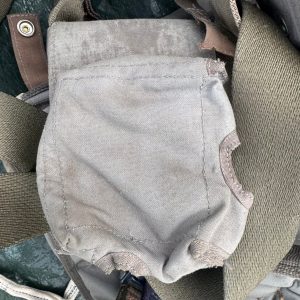
The Aircrew Parachute Harness/Pack – Vulcan & Victor Crew Seats provides strong commercial and historical appeal when its identity, condition, completeness, configuration, and documentation are described accurately.
An Aviation Parachute Harness provides the structural connection between the wearer and a compatible parachute system, while a Pilot Parachute Harness must fit correctly and correspond with the intended equipment configuration.
Every Aircraft Emergency Parachute Harness, Aircrew Safety Harness, Flight Crew Parachute Harness, Emergency Parachute Harness, or Military Aircrew Harness requires individual inspection because age, storage, wear, and modification can affect condition.
The Aviation Emergency Escape Harness, Parachute Harness Assembly, Aircraft Crew Safety Equipment, Aircrew Emergency Equipment, and Pilot Emergency Parachute System form part of a broader aviation safety category.
An Aviation Safety Harness can appear visually complete while containing age-related webbing, corrosion, damaged stitching, altered fittings, or missing components.
Overview of the Military Aircrew Parachute Assembly
The exact configuration should be established before the item is advertised as compatible with a specific Vulcan or Victor crew position.
The listing should explain whether the item includes the harness only, pack only, container, straps, fittings, seat connections, release hardware, padding, labels, or additional components.
Parachute Harness Webbing and Hardware
The condition of each structural element contributes to the overall integrity of the assembly.
Original thread can lose strength even when the stitch pattern remains visually intact.
Evaluating Harness Size and Fit
Historic equipment intended for display should remain clearly separated from equipment evaluated for operational use.
Buckles and adjusters should move without excessive force, binding, corrosion, cracking, deformation, or damage to adjacent webbing.
Aircraft Escape Harness Applications
Historic equipment may contain obsolete, time-expired, modified, incomplete, or unverified components.
Paint, plating loss, scratches, or movement marks may provide information about previous use and storage.
Aircrew Safety Harness Applications
The intended function should be established through technical references and component markings rather than appearance alone.
Historic harnesses should be stored away from direct sunlight, moisture, pests, chemicals, sharp objects, heat, and uncontrolled handling.
Military Parachute Harness Inspection
Detailed condition reporting creates a more credible and commercially useful listing.
Any known aircraft history, crew-seat association, unit provenance, or acquisition records should be presented carefully and supported when possible.
Parachute Webbing Condition Checks
The pack or container should be examined separately for fabric deterioration, closures, contamination, deformation, and missing components.
Professional advice may be appropriate when preservation or safety classification remains uncertain.
Historic Military Aviation Harness Equipment
The combination of aircraft association, markings, configuration, condition, and documentation can influence historical and commercial value.
The equipment should be mounted through reversible methods that avoid cutting, drilling, gluing, or permanently altering original material.
Military Aircraft Escape System Components
Seat design, parachute pack, harness connections, release mechanisms, crew procedures, aircraft configuration, and survival equipment may all Aviation Parachute Harness interact.
Reference photographs and manuals may help reconstruct the intended arrangement.
Parachute Harness Assembly Components
A pack exterior does not prove that a canopy, pilot chute, deployment components, or internal equipment remain present.
Loose components should be photographed, labeled, and packaged separately so they are not lost or mistaken for unrelated hardware.
Aircraft Crew Safety Equipment
Each item should be identified and evaluated individually because age, storage, configuration, and service history can differ.
Careful preservation supports the long-term value of Aircraft Crew Safety Equipment.
Preserving Aviation Emergency Equipment
The item may have educational value even when it is incomplete or unsuitable for operational use.
Replacement straps or hardware should be disclosed when known.
Evaluating Historic Parachute Systems
A previous inspection stamp does not establish current suitability.
Collectors should avoid deploying, unpacking, repacking, or load-testing rare equipment without understanding the effect on originality and condition.
Aviation Safety Harness for Display and Collection
An Aviation Safety Harness can become a strong centerpiece within a military aviation collection, crew-seat display, cockpit reconstruction, or museum exhibit.
The harness should not be worn by visitors when age, strength, or contamination is unknown.
Buying Historic Aircrew Equipment
A collector may prioritize originality and aircraft association, while a restoration buyer may focus on matching fittings and seat compatibility.
Recent professional condition reports may also help buyers evaluate the item.
Aircraft Parachute Equipment Compatibility
Visually similar fittings can have different functions, load requirements, or attachment relationships.
The seat itself should be reviewed for attachment points, routing, hardware, clearances, and equipment relationships before a harness/pack is installed for display.
Evaluating Historic Parachute Equipment
A detailed review reduces uncertainty and supports realistic valuation.
- Verify whether the harness, pack, fittings, connectors, straps, and seat-interface components belong to one original configuration.
- Check metal hardware for corrosion, pitting, cracks, bending, sharp edges, seized movement, plating loss, and mismatched parts.
- Require packaging that supports the pack and webbing without sharp folds, crushing, metal abrasion, moisture exposure, or uncontrolled movement.
Historic Parachute Harness Storage
Conservation-quality storage can slow deterioration and preserve historical evidence.
Any suspected mold or chemical contamination should be isolated and assessed carefully.
Reversible Aircrew Harness Mounting
Adhesives, staples, screws, drilling, cutting, or irreversible sewing should be avoided.
Professional presentation improves educational value without compromising authenticity.
Military Parachute Equipment Preservation
Conservation decisions should consider both material stability and historical value.
Replacement webbing, stitching, buckles, labels, or hardware should not be presented as original when their status is known.
Choosing the Aircrew Parachute Harness/Pack – Vulcan & Victor Crew Seats
The Aircrew Parachute Harness/Pack – Vulcan & Victor Crew Seats may suit museums, military aviation collectors, cockpit restorers, historians, preservation specialists, and buyers seeking authentic aircrew equipment.
Buyers should request detailed photographs, accurate condition descriptions, complete package inventories, secure transaction terms, protective shipping, and specialist review where appropriate.
Whether the assembly is purchased for restoration, research, display, reference, collection, or specialist evaluation, transparent documentation and responsible handling provide the strongest foundation.
With accurate identification, preservation-focused care, suitable environmental control, and careful interpretation, the assembly can remain an important military aviation artifact.
Report this page